

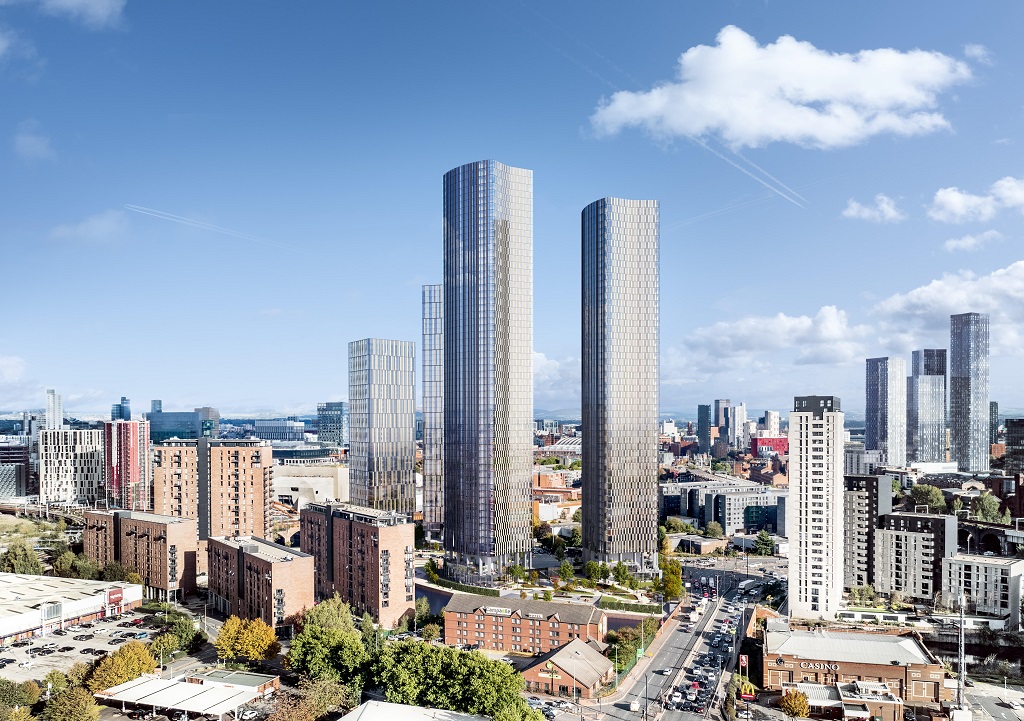
The UK’s Build‑to‑Rent (BtR) sector has matured from a niche segment into a major force in residential property, influencing planning policy, construction delivery, investor strategy and the built environment. Purpose‑built rental housing — designed, financed and operated as a long‑term asset — now plays a vital role in housing delivery, responding to changing demographics, rental demand and investment appetite at a scale unmatched by the traditional private rented sector.
By early 2025, the UK had over 123,500 completed Build‑to‑Rent homes, with another 49,000 under construction and 109,800 in the planning pipeline. In total, the BtR sector now comprises nearly 282,500 units either delivered or in progress — figures that underscore its growing footprint in the housing stock. It has also become a significant draw for institutional capital: in 2024, £5.1 billion was invested in UK BtR, a new record and 13 % of total UK real estate investment, up from just 5 % in 2021, highlighting how widely global capital has embraced the sector.
What sets Build‑to‑Rent apart is not just scale but its institutional structure: schemes are developed, owned and often managed by long‑term investors such as pension funds, insurance companies and specialist real estate platforms, rather than being built for immediate sale. This alignment between development and long‑term operation has profound implications for construction, planning and asset management.
Long‑Term Ownership, Short‑Term Challenges
“One of the defining traits of Build‑to‑Rent is that you’re not handing over keys and walking away,” notes Giles Carey, Head of UK Living Research at Savills. “You’re delivering an asset that will be operated and refined on an ongoing basis, so decisions about materials, MEP systems, façade quality and maintenance strategy all come under a different light.”
Unlike for‑sale housing, where the developer’s interest often ends at practical completion, Build‑to‑Rent investors expect buildings to perform over decades, not just months. This long horizon affects specification, quality control, commissioning, and handover — and in turn alters how contractors approach delivery.
Contractors involved in Build‑to‑Rent schemes increasingly report integrated working models. Rather than simply building to drawings and lodging for certification, they are collaborating with operators and facilities management teams well before completion to ensure systems are fully aligned with operational expectations.
“Instead of a ‘practical completion’ milestone, we’re looking at operational readiness,” explains David Wingfield, Head of Residential at Sir Robert McAlpine. “That means mechanical systems are commissioned with data handover, maintenance access is planned, and digital asset information is delivered — all things that aren’t always necessary on traditional housing builds but are critical for BtR.”
Planning Complexity: From Policy to Delivery
Planning remains one of the more complex arenas for Build‑to‑Rent projects. While national policy frameworks now recognise BtR as a distinct typology, the interpretation and application of that policy vary widely across local authorities.
Melanie Leech, Chief Executive of the British Property Federation (BPF), has been vocal about planning bottlenecks affecting delivery. “Completions remain robust, but the sector faces real constraints progressing projects through to construction,” she says. “Viability challenges and continued uncertainty around project timelines are slowing momentum just at a time when rental demand is rising sharply. Tackling backlogs and planning delays could provide more certainty around delivery.”
BPF data shows that 40 % of BtR sites now take at least a year to achieve planning consent, a significant increase from a decade ago, with planning timelines lengthening even where applications are technically sound.
This planning friction has tangible implications for contractors and developers. Long planning lead times can delay starts on site, locking capital and complicating forward funding structures. In London, where construction costs and financing challenges are particularly acute, this has contributed to slower starts despite strong pipeline consent activity.
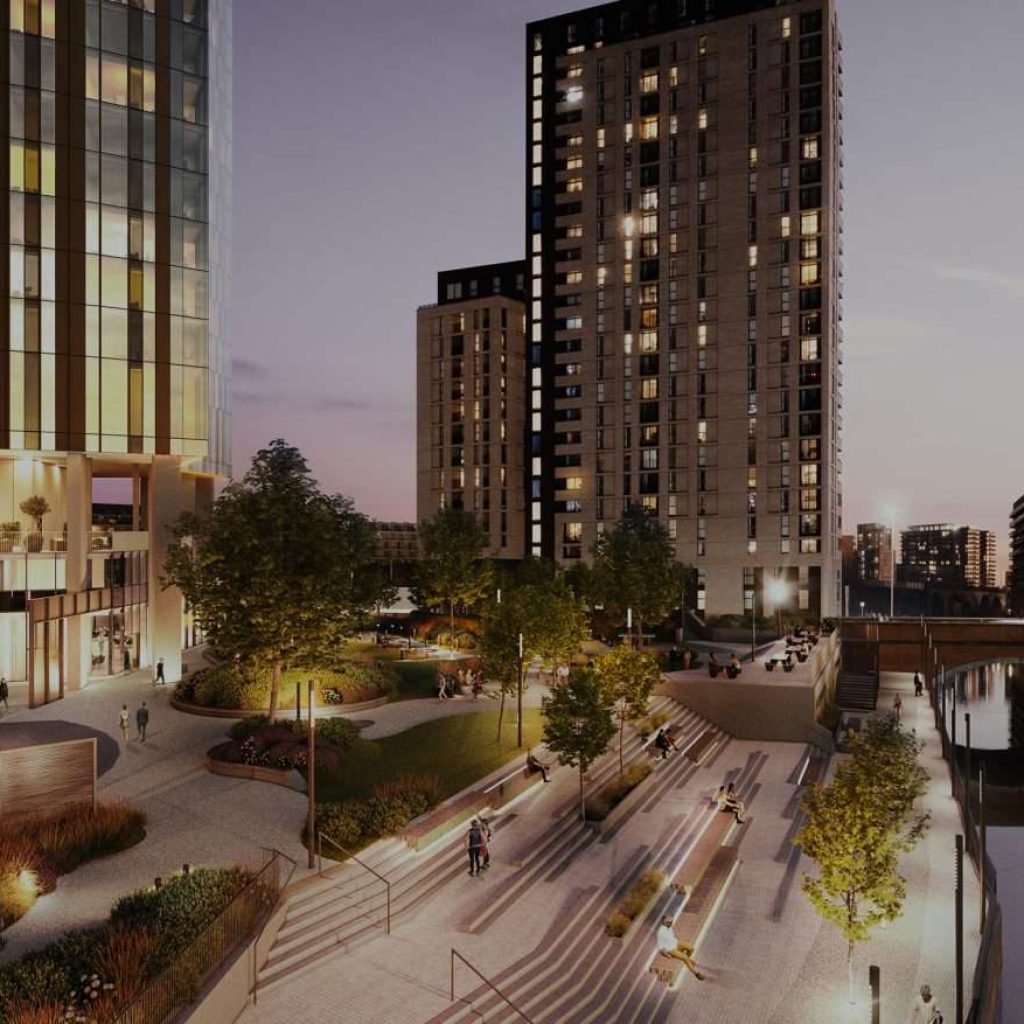
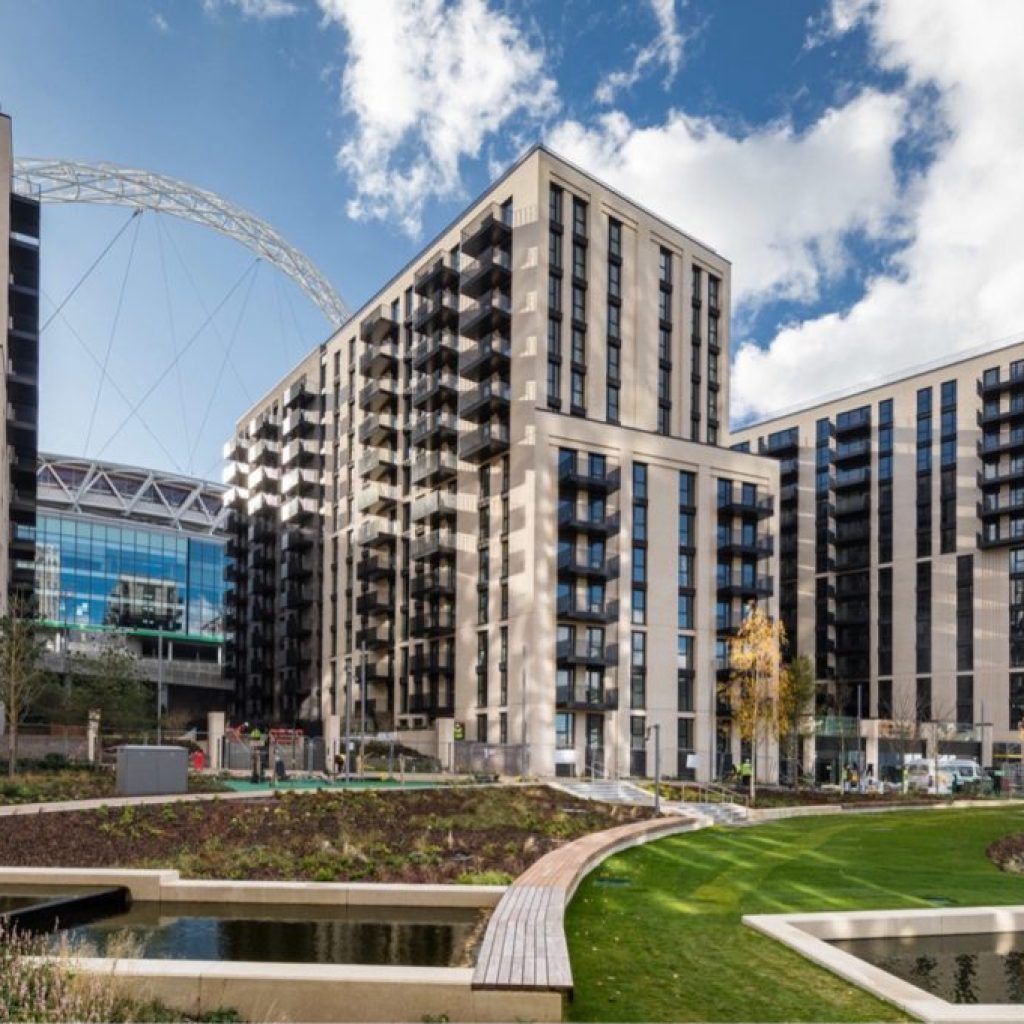
On the other hand, successful planning outcomes are often linked to schemes that integrate well with broader regeneration objectives and deliver community benefits such as public realm improvements, employment space, or mixed‑tenure housing.
Institutional Investment and Finance
BtR’s growing scale has attracted a broad range of institutional investors. Savills reports that investment in 2024 included a resurgence in cross‑border capital, with North American investors allocating more than £1 billion in a single quarter.
Investment advisers point to increasing competition in debt markets. Charlie Bottomley, Director at Savills Capital Advisors, notes lenders’ growing willingness to finance BtR development, with banks offering up to 65 % loan‑to‑cost structures and non‑bank lenders willing to go higher, reflecting strong confidence in the asset class.
Institutional involvement isn’t limited to multifamily apartments. Single Family Build‑to‑Rent (SFH) — suburban houses built specifically for rent — has seen record investment, with nearly £2.5 billion deployed in 2024. These schemes expand the sector’s footprint beyond urban cores and reflect investor appetite for diversified long‑term rental portfolios.
The UK Government’s housing targets — including ambitions to deliver 300,000 new homes annually by the late 2020s — also position BtR as a useful contributor, particularly as traditional build‑for‑sale models face market and affordability headwinds.
Contractor Collaboration: Integration and Delivery
Build‑to‑Rent projects often require heightened coordination between developers, contractors, MEP consultants, and facilities managers, particularly where projects are forward funded or operational performance is integral to investor returns.
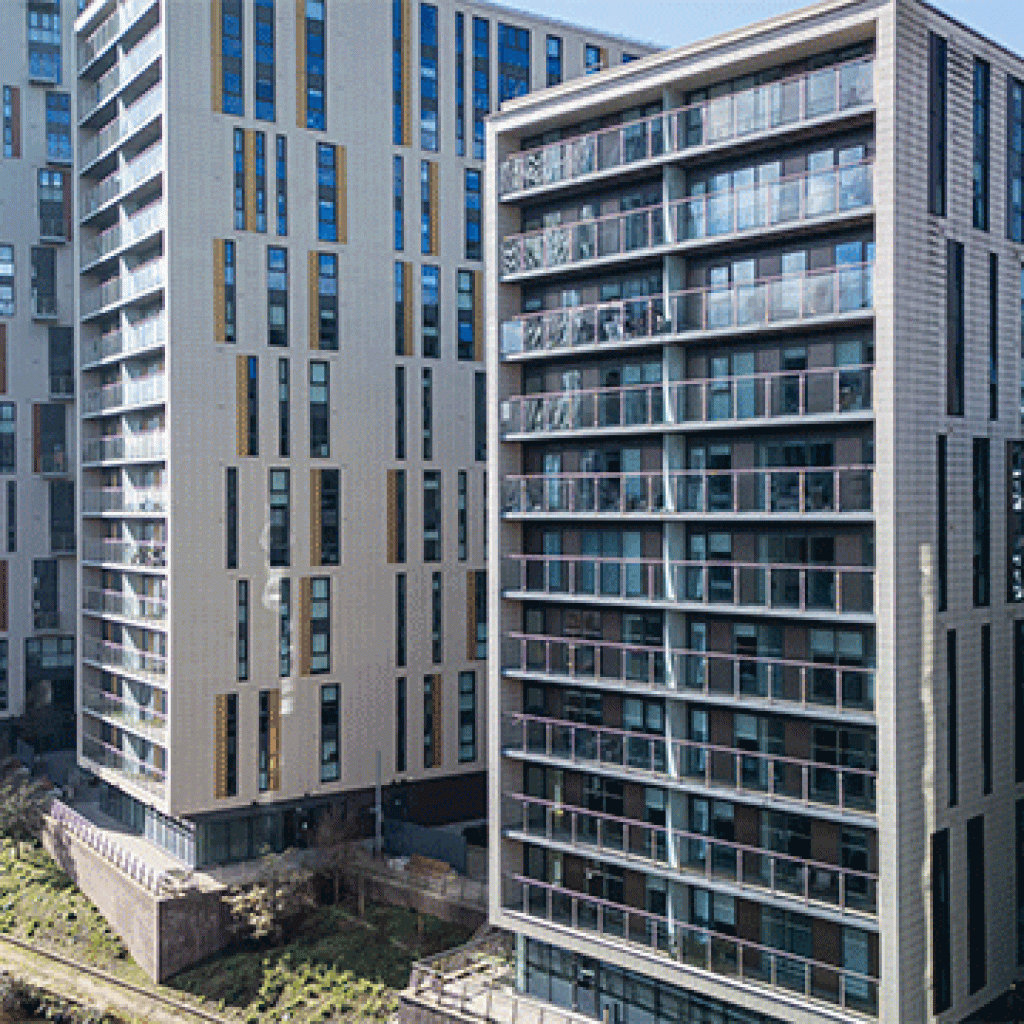
Take the case of a recent 440‑unit BtR development Moda Park in Glasgow. Because the asset was to be handed over as an operational platform at completion, the main contractor was engaged early with the investor’s property and operations team. This allowed detailed planning around life‑cycle requirements, plant maintenance access and digital asset handover — areas that are not typically finalised until post‑practical completion in other residential builds.
Standardisation and repeatable design also play into construction efficiency. By repeating unit layouts and service riser arrangements across blocks, the contractor reduced on‑site labour hours and errors, while pre‑manufactured bathroom pods and off‑site fabricated services risers helped maintain quality consistency and tighten programme certainty. This dovetails with industry practice where repeatable layouts drive not only construction efficiency but also future maintenance predictability.
Planning, Tenure and Affordable Private Rent
Planning consent for Build‑to‑Rent developments involves tenure‑specific considerations that differ from conventional housing delivery. Many local authorities attach conditions that BtR homes remain in rental ownership for extended periods — often 15 years or more — underpinning investor confidence but adding complexity to viability and site acquisition analysis.
Affordable Private Rent (APR) is another planning component gaining traction. Unlike general affordable housing, which is typically sold at reduced values under planning obligations, APR units remain in the BtR portfolio but are rented at a discounted rate. This allows developers to meet planning obligations while preserving long‑term operational models, though it requires careful viability analysis to ensure development costs and rental yields align.
From a construction perspective, APR units are built to the same standard as market rent units — an important distinction from traditional affordable housing where specification downgrades are sometimes accepted in exchange for cost savings. In BtR portfolios, durability and ongoing performance are paramount, so materials, services and finishes are selected with long‑term retention in mind.
Local authorities increasingly expect Build‑to‑Rent proposals to include robust management plans, maintenance strategies and public realm commitments. These requirements place additional responsibilities on developers and contractors to demonstrate that the scheme will function as part of a wider, sustainable community long after practical completion.
Regional Market Dynamics: London, Manchester, Birmingham and Beyond
Geographical patterns in BtR illustrate how local markets shape delivery. In London, planning pressures and high construction costs have slowed starts, even as consent levels remain high in boroughs such as Ealing and Croydon, where thousands of units were approved in 2024.
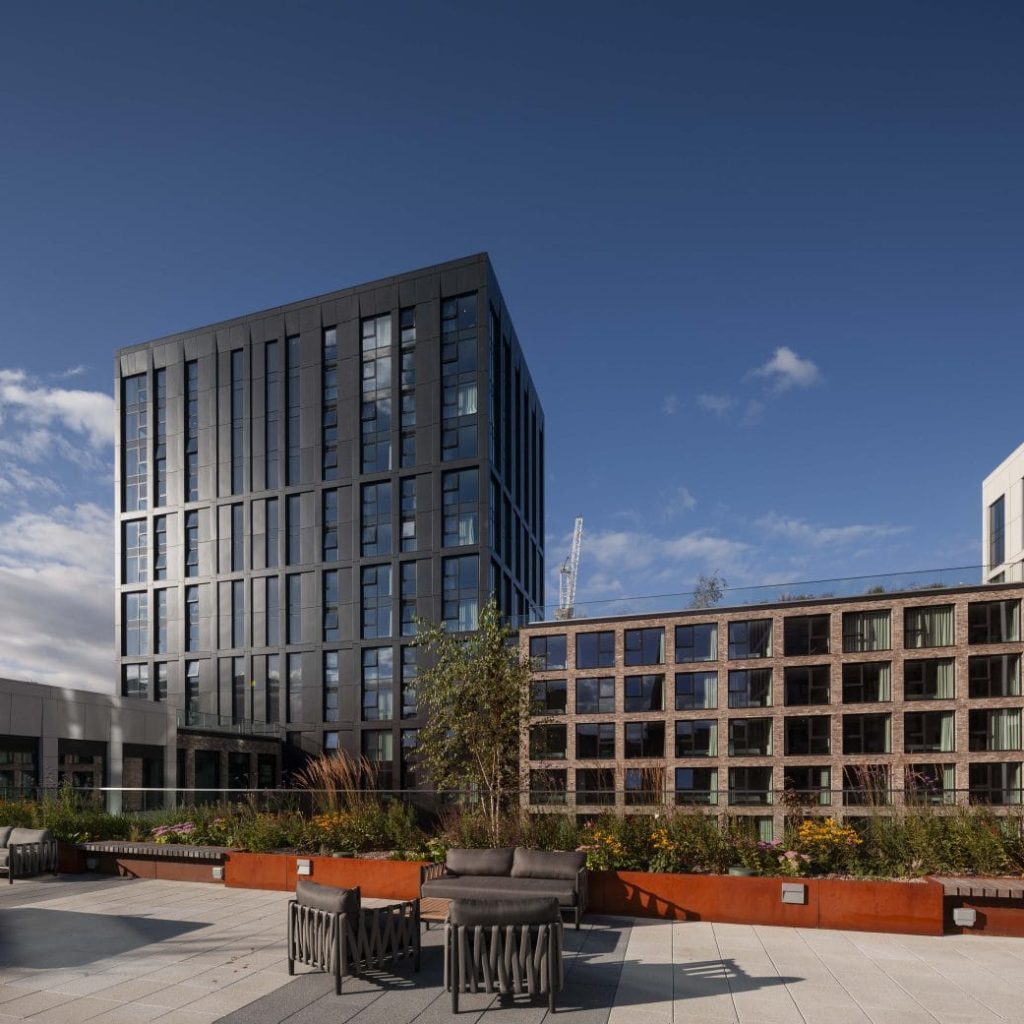
Manchester has emerged as one of the sector’s most active regional hubs, with thousands of homes delivered in the last decade and strong investor interest in emerging urban neighbourhoods. Around 88 % of BtR investment in 2024 was outside London — the highest proportion on record — underscoring the diversification of institutional capital across cities and regional centres.
Birmingham, Leeds and other regional cities have also seen significant BtR activity, balancing residential delivery with urban regeneration priorities.
Design, Sustainability and Operational Performance
Build‑to‑Rent demands a focus on long‑term operational performance, which has significant implications for design and construction detailing.
Mechanical, electrical and plumbing (MEP) systems are typically specified with life‑cycle costs in mind. Building management systems, energy‑efficient heating and ventilation, and metered utilities are standard, as they directly affect long‑term operating costs.
Façade design in BtR schemes favours durable materials and details that minimise maintenance requirements. Contractors increasingly engage façade engineers early in the design process to ensure access strategy, fire performance and long‑term weathering are all coordinated with structural and operational requirements.
The expectation of long‑term performance also drives sustainability outcomes. Investors and developers often target higher environmental standards, with enhanced insulation, low‑carbon technologies and performance monitoring integrated into delivery.
Tenant Experience and Market Feedback
Beyond the construction and investment worlds, the tenant experience is also influencing how BtR is delivered. Professional management, responsive maintenance and community amenities differentiate BtR from the fragmented private rented sector. Operators prioritise durability, user‑friendly design and effective service delivery, which feeds back into contractor quality assurance and handover standards.