

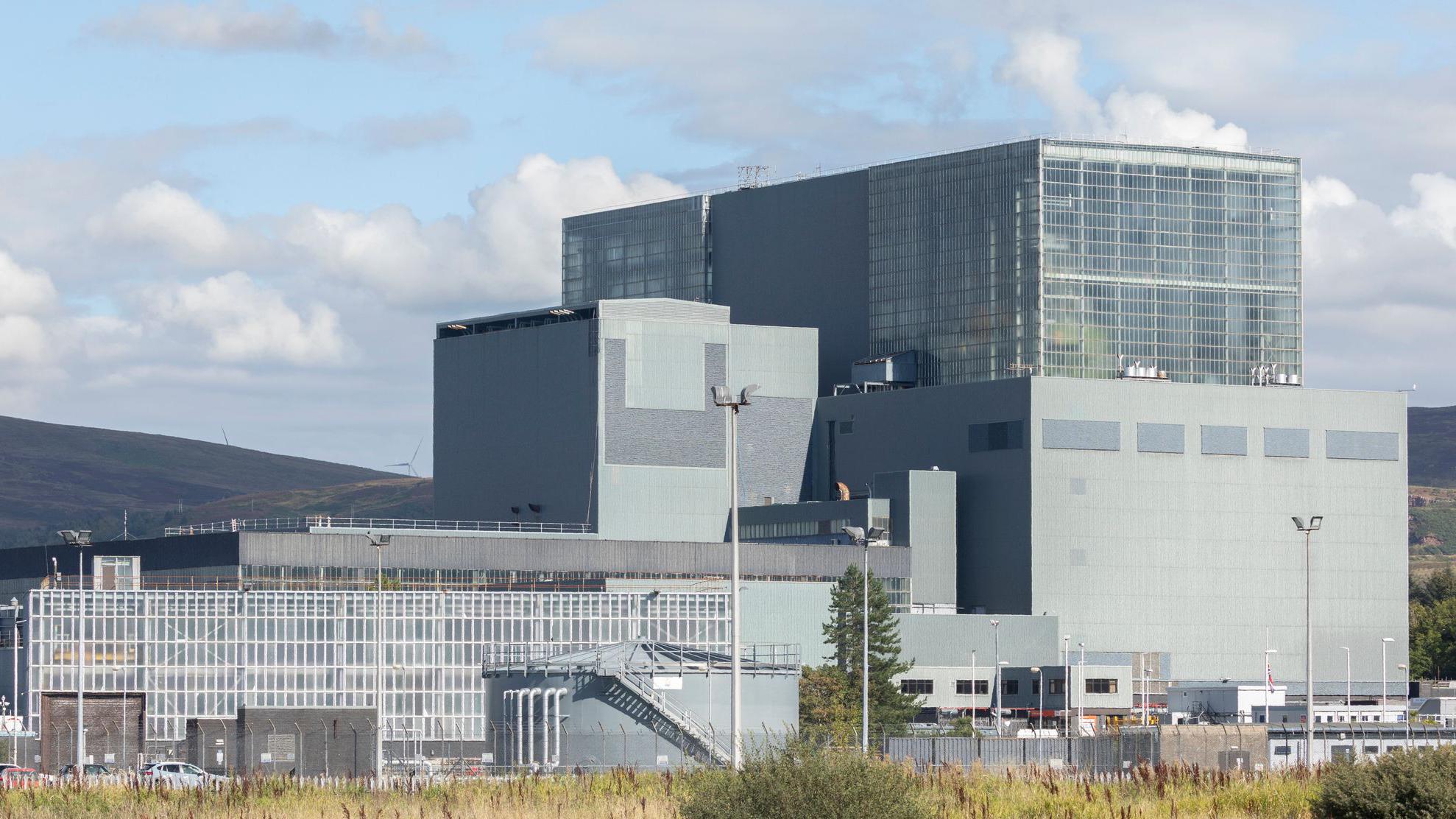
The UK’s next phase of nuclear decommissioning has taken a significant step forward as Hunterston B in North Ayrshire is set to transfer to public sector control. Nuclear Restoration Services will assume ownership from EDF on 1 April, making the site the first Advanced Gas-Cooled Reactor (AGR) in the UK to enter formal decommissioning.
Hunterston B’s transfer marks a key milestone in the retirement of Britain’s second-generation AGR fleet. Seven AGR stations were constructed across Scotland and England following the earlier Magnox designs, with most scheduled to close by 2028. Nuclear Restoration Services, the decommissioning arm of the Nuclear Decommissioning Authority, will now oversee dismantling operations at the site, with further reactors expected to follow as defuelling concludes.
The reactor, which ceased electricity generation in January 2022 after 46 years of operation, will undergo a complex, multi-stage dismantling programme. Work will involve removing plant, equipment, and buildings outside the reactor core, alongside handling and safely transporting radioactive materials for long-term storage or disposal. After these activities, the site will enter a care and maintenance phase, allowing radiation levels to decay over time.
Mike Finnerty, chief executive and chief nuclear inspector at the Office for Nuclear Regulation (ONR), commented: “The strong collaborative work between our inspectors, EDF and the Nuclear Decommissioning Authority has helped deliver this milestone safely and on schedule. It is now vital that the decommissioning and dismantling of these facilities is progressed in a timely manner. This marks an important and progressive step at Hunterston B and we look forward to working with new licence holder Nuclear Restoration Services to drive forward our commitments to reducing hazard and protecting workers and the public.”
The Hunterston B programme will combine phased dismantling with rigorous safety and regulatory oversight. Non-core structures and equipment will be removed systematically, and radioactive materials will be segregated and prepared for long-term management. New automated control systems and monitoring technologies will ensure compliance with safety standards and provide accurate reporting for regulators.
This transfer establishes a blueprint for the rest of the AGR fleet, providing lessons in coordination, asset management, and risk reduction. Each site presents unique operational and design challenges, but the approach used at Hunterston B—structured transfer, phased dismantling, and integrated monitoring—will guide subsequent decommissioning projects.