

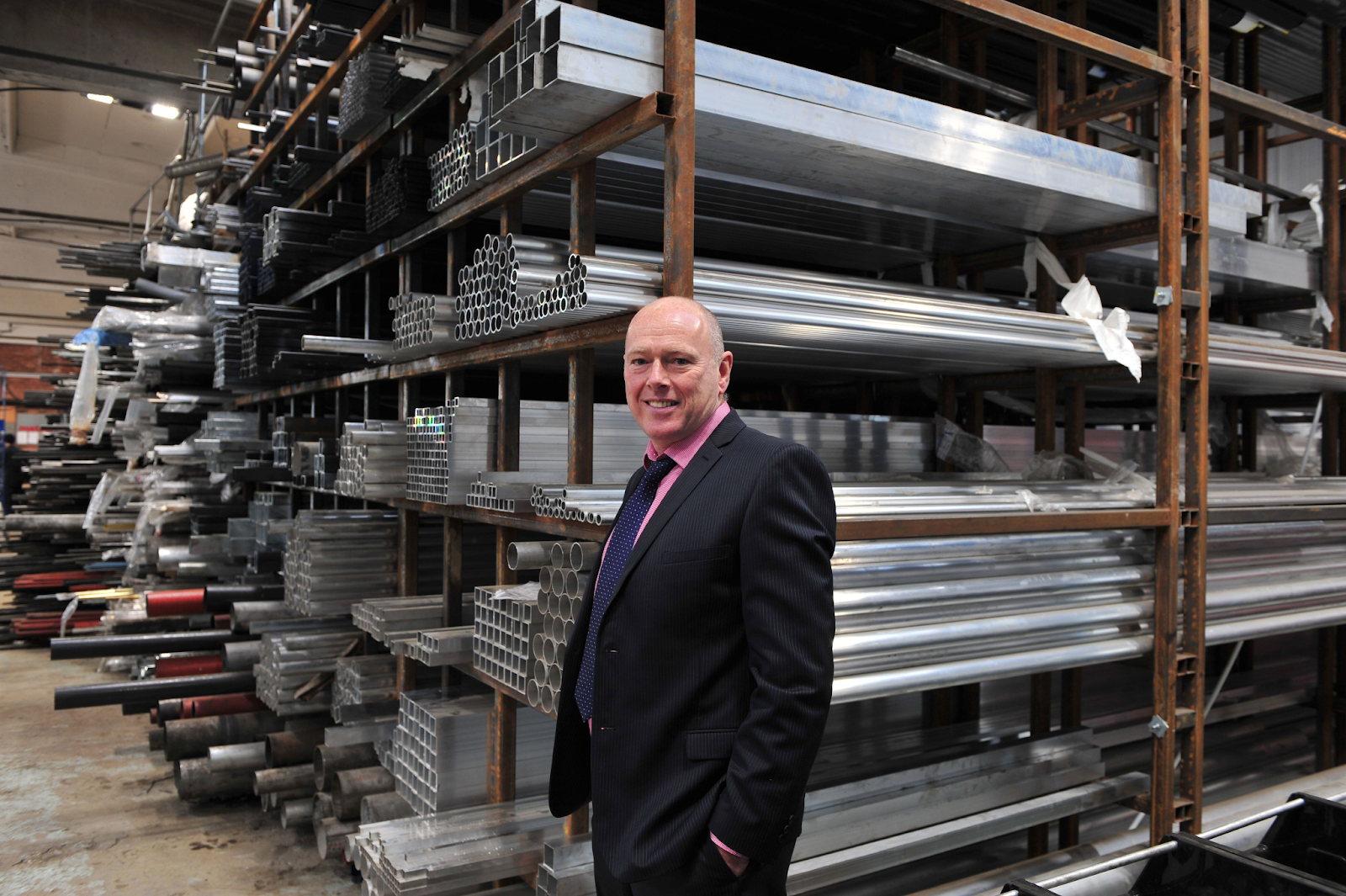
The UK manufacturing sector is entering a new era of opportunity, but a deepening workforce crisis risks derailing progress. Years of decline and underinvestment have created what Paul McFadyen, Chairman at metals4U, calls the ‘missing middle’, a gap in mid‑career skilled professionals that could stunt growth just as demand for British manufacturing is rising.
Although manufacturing contributes roughly 10% of UK GDP and drives essential exports, workforce dynamics tell a worrying story¹. Productivity sits above the national average, and wages remain competitive, yet many businesses struggle to fill critical roles.
Long‑term demographic trends are creating significant structural challenges for the UK manufacturing sector. Nearly a third of industrial workers are aged over 50, heightening the risk of mass retirements and the loss of critical technical expertise². At the same time, vacancies remain high and around 49,000 jobs were unfilled in 2025, with over a third classed as ‘hard-to-fill’ due to skills shortages³. Recruitment challenges are widespread, with 80% of manufacturers reporting difficulties hiring skilled workers, and many vacancies taking more than a year to fill¹. These labour dynamics point to a ‘missing middle’ as experienced workers leave the sector, there are too few younger professionals ready to step into their roles.
More research highlights the depth of the challenge. Around 55% of UK manufacturers report shortages in advanced skills, while 61% face gaps in traditional technical trades such as fabrication, welding, and mechanical engineering⁴. Nearly two-thirds of manufacturers believe the education system is not producing enough workers with the requisite manufacturing skills, and young people remain unlikely to consider careers in the sector, often perceiving it as outdated or overly labour-intensive⁴.
To address this widening gap, the UK Government has introduced fast‑track apprenticeships and pledged significant funding for skills development, including a £275 million boost to technical training and apprenticeships as part of a broader industrial strategy⁵.
However, industry leaders argue that training initiatives must move beyond sheer numbers and focus on quality. This includes fostering cross-generational learning by formally connecting retiring experts with young apprentices, strengthening school- industry partnerships to improve early perception and awareness of manufacturing careers, and developing flexible training pathways that offer mid-career reskilling and modular apprenticeships to better align workforce skills with the evolving needs of the sector.
Paul McFadyen, metals expert and Chairman of metals4Ushares his thoughts on the ‘missing middle’.
“The manufacturing sector is at a crossroads. There’s genuine momentum behind investment and growth, but, without a workforce capable of delivering on that potential, we risk choking our own success. The ‘missing middle’ isn’t just about numbers, it’s about the transfer of knowledge, technical expertise and mentoring that fuels innovation. We need inclusive strategies that bring young talent into the fold while making the most of the experience we still have.
“For UK manufacturing to sustain its resurgence, a drastic, coordinated approach is essential. One that combines government policy, corporate investment, education partnerships, and cultural change. Without such action, manufacturers face a future where demand outpaces labour supply, innovation stalls, and global competitors pull ahead.”