
Heidelberg Materials UK has used its CarbonLock biogenic asphalt in a highway improvement project on the A689 in Cumbria, combining the lower-carbon surfacing material with an electric-powered paver supplied by Ammann to reduce the environmental impact of the works.
The project involved resurfacing a 1.5-mile stretch of the A689 between Harbut Lodge and Alston War Memorial for Westmorland and Furness Council. The work was delivered under a highway framework agreement awarded to Heidelberg Materials in 2024.
CarbonLock biogenic asphalt was selected to help reduce the carbon footprint of the scheme. The material incorporates biogenic content within its binder, which absorbs and stores carbon dioxide from the atmosphere during its service life. The captured CO₂ remains locked within the asphalt, including when the material is subsequently recycled.
“This was the first time we have used CarbonLock biogenic asphalt as part of the framework agreement and it was an excellent example of how we can help our clients meet their carbon reduction goals,” said Adrian Stubbs, regional general manager at Heidelberg Materials Contracting.
“We worked to a tight schedule and delivered the improvement works on time, ensuring further planned work was not impacted, and provided a 21% carbon reduction compared with laying standard hot-mix asphalt.”
A total of 1,150 tonnes of asphalt was manufactured at Heidelberg Materials’ Keepershield plant near Hexham before being transported to the site for installation.
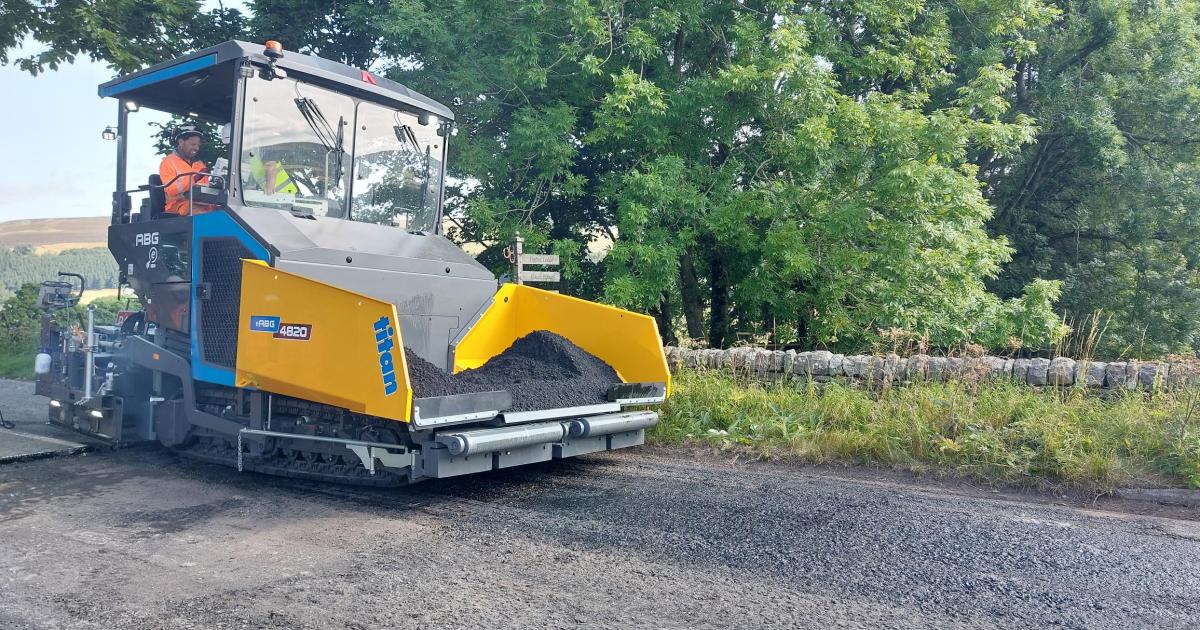
Further reductions in the project’s carbon impact were achieved through the use of an Ammann eABG 4820 electric paver. Described as the largest electric-drive paver available on the market, the machine can lay up to 1,200 tonnes of asphalt on a single charge, reducing emissions associated with conventional road surfacing operations.
The combination of CarbonLock material and electric paving equipment provided a practical demonstration of how alternative asphalt technology and lower-emission machinery can be incorporated into routine highway maintenance.
For Heidelberg Materials, the A689 scheme also represents the first application of CarbonLock under its Westmorland and Furness Council framework agreement, providing an opportunity to demonstrate the material’s potential as councils look to reduce the carbon associated with maintaining their road networks.