

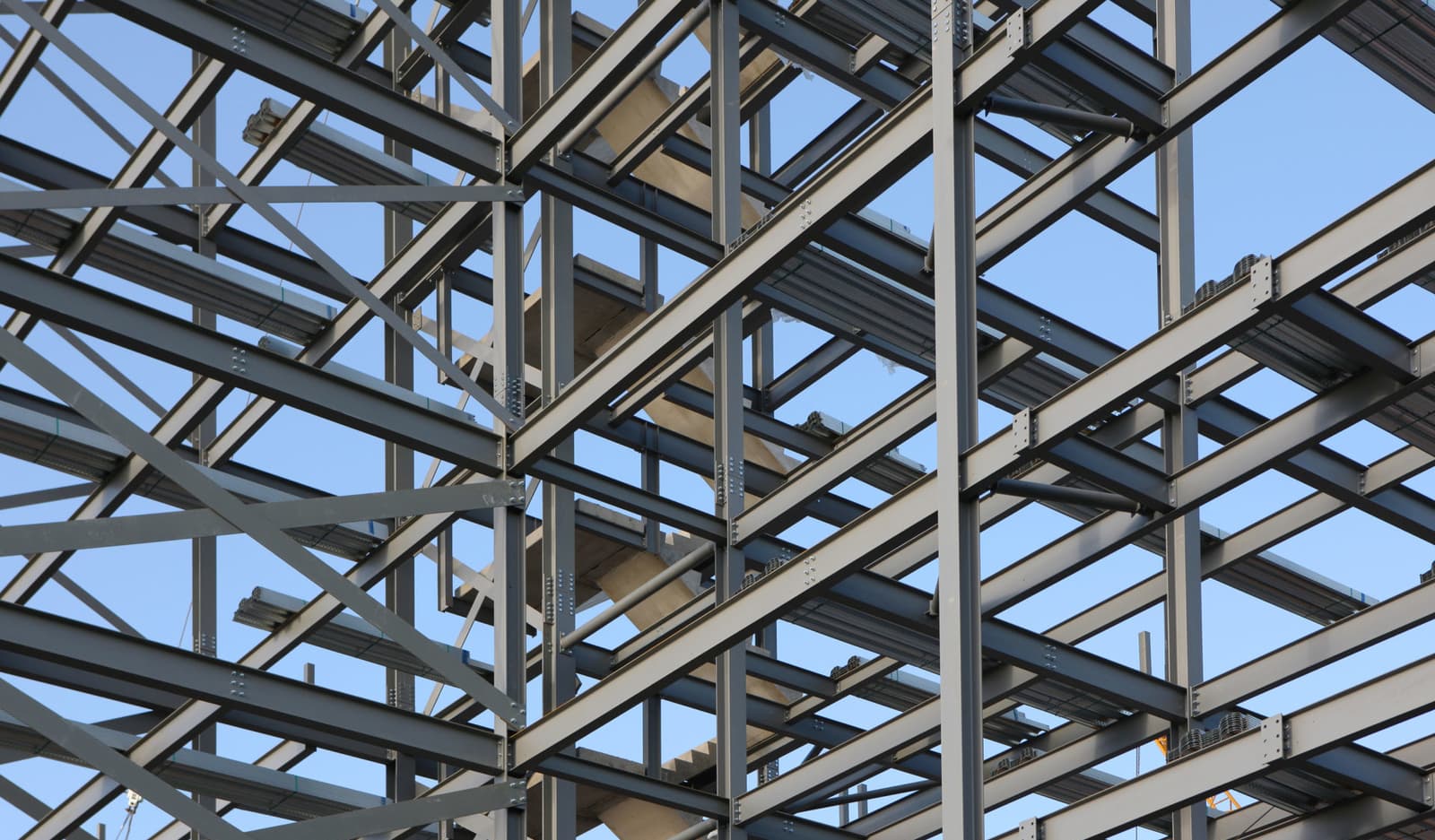
The UK Government has agreed to review the impact of its proposed steel tariff crackdown following warnings from construction leaders that the measures could derail projects and further squeeze already tight margins.
Industry bodies including the Construction Leadership Council, the British Constructional Steelwork Association and the Construction Products Association met ministers last month to highlight the risks associated with the planned overhaul, which is due to take effect in July.
Contractors argued that the proposed 60% reduction in import quotas, coupled with tariffs of up to 50% on volumes above those limits, would intensify cost pressures across a supply chain already grappling with rising energy, fuel and shipping expenses. In recent months alone, the price of structural steel has climbed by as much as 30% under the weight of these factors.
At the meeting, industry representatives warned that the tariff changes could undermine project viability and disrupt delivery unless mitigating measures are introduced swiftly.
Ministers have now committed to working with the sector in the coming weeks to identify potential solutions ahead of the new regime coming into force on 1 July, offering the first indication that the policy may be softened in response to mounting concerns.
Chris Durand, president of the British Constructional Steelwork Association, said the longer-term ambition to strengthen domestic steel production and accelerate decarbonisation was welcome, but cautioned that the approach risked unintended consequences. He warned that higher raw material costs would ultimately be passed on to fabricators, reducing the competitiveness of UK and Irish steelwork and potentially prompting developers to turn to alternative materials or imported fabricated products.
Durand also pointed to a potential loophole in the system, noting that fabricated steel is not currently subject to quotas. This, he suggested, could encourage imports to shift further up the value chain, undermining the policy’s objectives.
The talks mark a significant moment in the debate, as ministers balance their aim of increasing UK steel’s share of domestic demand to 50% against the practical realities facing contractors and suppliers.
Despite the review, the policy remains on track for implementation in July, leaving the industry in a state of uncertainty as it waits to see whether any meaningful concessions will be made.
One smaller fabricator told the Enquirer: “We have already seen section rates jump from around £700 in February to £950 a tonne.
“While the industry tends to focus on Cat A & B rates it is worth noting hollow sections were around £1,100 in February and shot up to £1,450 overnight.
“The tariff plan has led to mills and stockholders scrambling to get steel in before this date. The expectation is for supply to tighten dramatically from July onwards, which again will put upwards pressure prices.”