

For much of the past three decades, nuclear power in Britain was treated as a legacy technology rather than a strategic asset. Reactors built in the post-war and Cold War eras were allowed to age without clear succession planning; policy support ebbed and flowed; and the national energy debate came to be dominated by renewables, gas markets and carbon pricing. Nuclear, associated with cost overruns, technical complexity and political controversy, was widely assumed to be a sunset industry — That assumption has now been decisively overturned.
The re-nuclearisation of the UK’s energy infrastructure is no longer speculative or aspirational. It is embedded in government policy, underpinned by new delivery institutions, and increasingly visible on construction sites, in procurement pipelines and on corporate balance sheets. At its core is a recognition that a modern, electrified, low-carbon economy requires not just clean power, but clean power that is reliable, dispatchable and domestically anchored. Wind and solar will remain central to the energy mix, but on their own they cannot provide the firm capacity required to support electrified transport, heat, data centres and industrial demand at scale. Nuclear has therefore re-entered the picture not simply as an energy solution, but as an industrial and construction strategy.
This return is unfolding against a backdrop of broader reassessment across advanced economies. France is recommitting to reactor construction after years of drift; the United States is extending the lives of existing plants while nurturing a new generation of advanced reactors; and several European states are reversing earlier nuclear phase-outs in response to energy security concerns. Britain’s approach is distinctive in its explicit coupling of nuclear investment with regional regeneration, construction-led growth and a more interventionist role for the state in the delivery of critical infrastructure.
For the UK construction sector, this shift represents one of the most significant long-term opportunities — and challenges — since the expansion of offshore wind and the early days of PFI. Nuclear is once again shaping the way projects are financed, procured, designed and built, forcing a reconsideration of skills, supply chains and delivery models across the industry.
Policy intent and the architecture of delivery
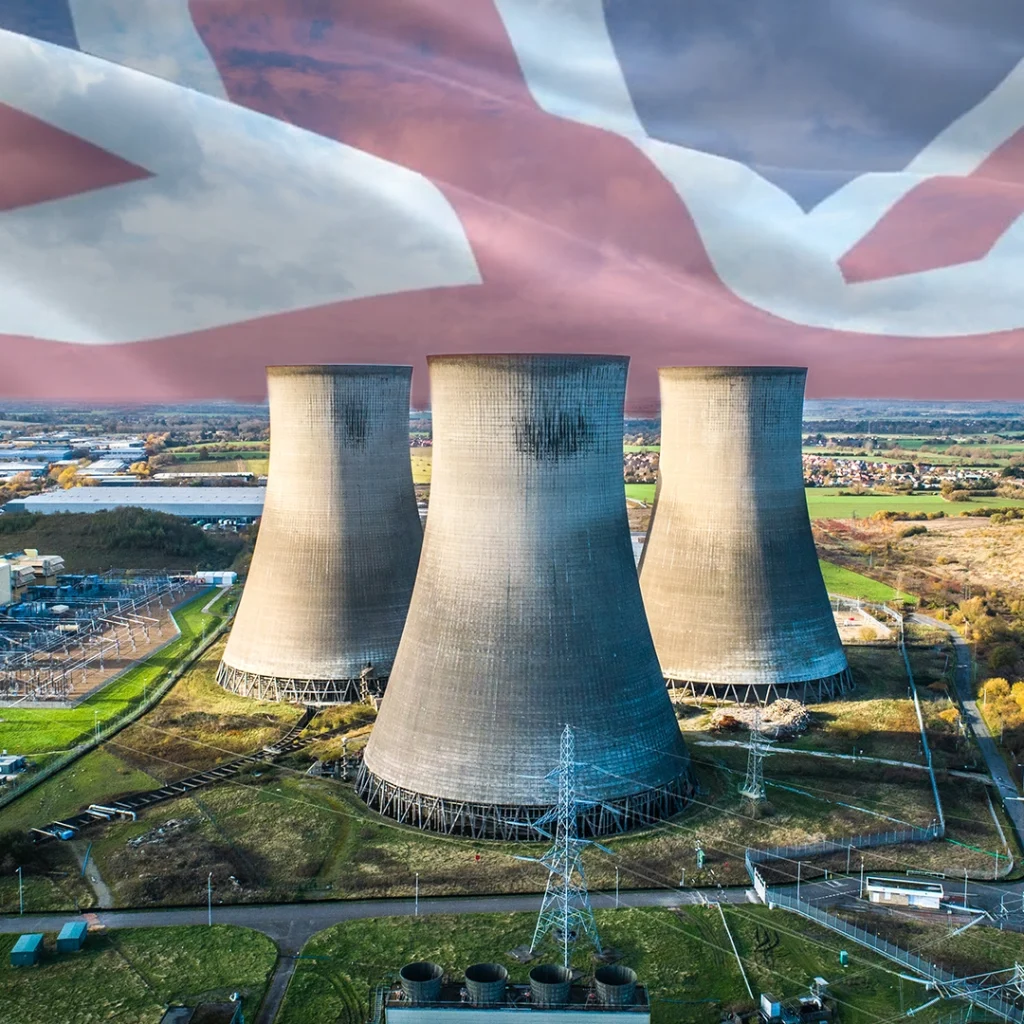
The most consequential change in UK nuclear policy lies not in headline ambition, but in institutional architecture. After decades in which the state positioned itself primarily as regulator and market facilitator, it has re-entered the delivery landscape as a strategic partner. Great British Nuclear, now operating within the publicly owned Great British Energy nuclear delivery body, has been established to lead and coordinate new nuclear projects across large-scale reactors and small modular reactors (SMRs).
The intention is to provide a coherent programme rather than a sequence of isolated projects, reducing delivery risk and creating a clearer, longer-term pipeline for developers, contractors and suppliers. Under the Powering Up Britain energy security plan, the government has reaffirmed its ambition to expand nuclear capacity towards up to 24 GW by 2050. This is supported by competitive SMR selection processes, funding for advanced nuclear technologies and reforms to planning policy designed to accelerate approvals and broaden the range of potential sites.
Planning reform is particularly significant from a construction perspective. By moving away from a narrowly defined list of designated nuclear sites, the government is seeking to enable more flexible siting — especially for SMRs — and reduce the delays that have historically undermined investor confidence and inflated project costs. Strategic guidance issued following a review by the Nuclear Regulatory Taskforce has also emphasised lifetime extensions of existing plants, the development of a mixed reactor fleet and closer integration between nuclear delivery and wider infrastructure planning.
This framework rests on two assumptions that are now broadly shared across government and industry. First, that nuclear power remains indispensable to a stable, decarbonised electricity system, particularly as demand rises from electrification and digital infrastructure. Second, that nuclear construction, if organised coherently, can serve as a platform for rebuilding industrial capability that has eroded over decades.
For the construction sector, the importance of this shift cannot be overstated. Confidence in pipeline continuity determines whether firms invest in nuclear-grade accreditation, specialist equipment, training and factory capacity. These institutional changes are designed to signal that nuclear is no longer a one-off political experiment, but a sustained programme tied to energy security, skills development and economic growth.
Big reactors, small reactors and the logic of construction
Britain’s nuclear revival is proceeding along two parallel tracks, each with distinct implications for construction and the supply chain.
The first is the delivery of large-scale reactors capable of providing substantial volumes of baseload power over many decades. These projects are capital-intensive, technically complex and highly visible. They demand vast quantities of concrete and steel, intricate sequencing of civils and mechanical works, and a workforce operating under some of the most exacting quality and assurance regimes in the construction industry. When they succeed, they anchor regional employment for generations; when they fail, they become symbols of systemic weakness.
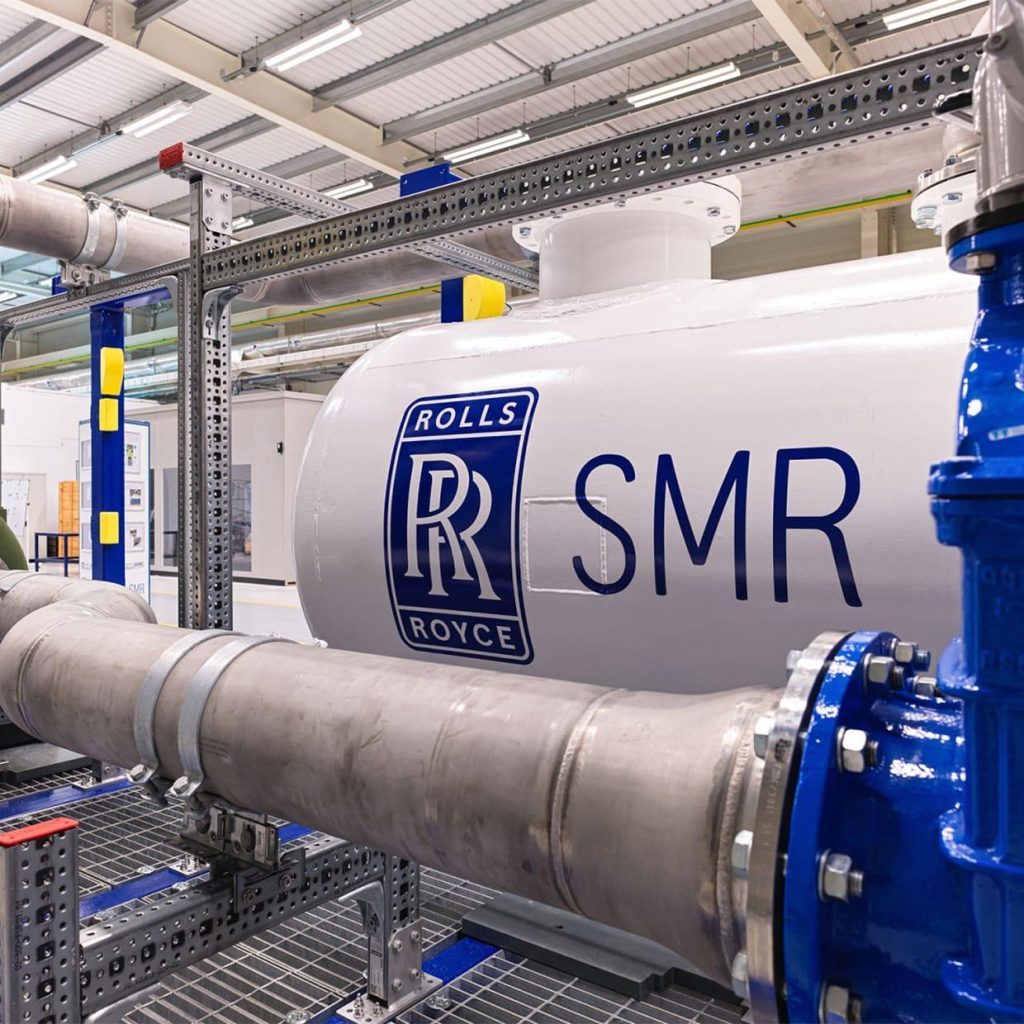
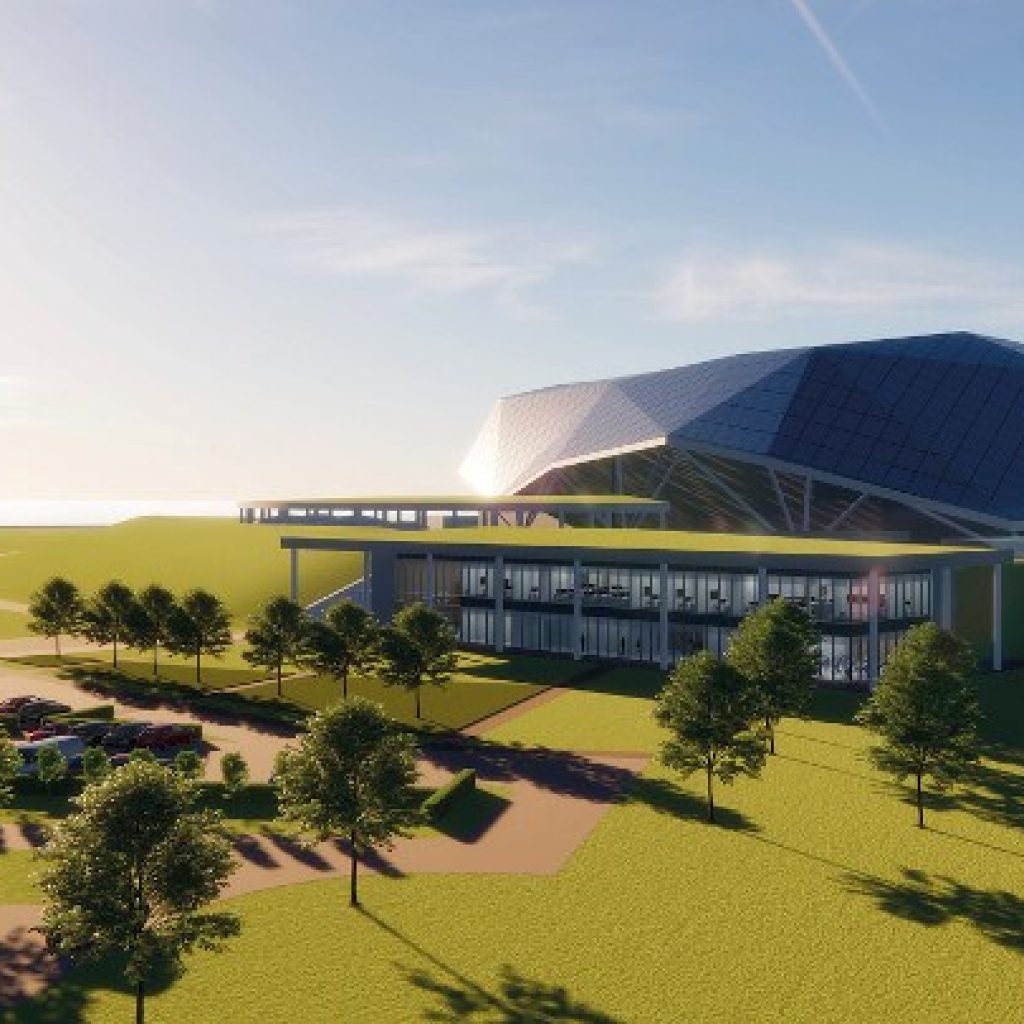
The second track is the pursuit of small modular reactors. These are conceived not as bespoke megaprojects, but as repeatable industrial products. The promise of SMRs lies less in their individual output than in their method of production: factory fabrication, modular assembly and the potential for cost reductions through repetition. Where large reactors resemble cathedrals, SMRs aspire to behave more like aircraft programmes.
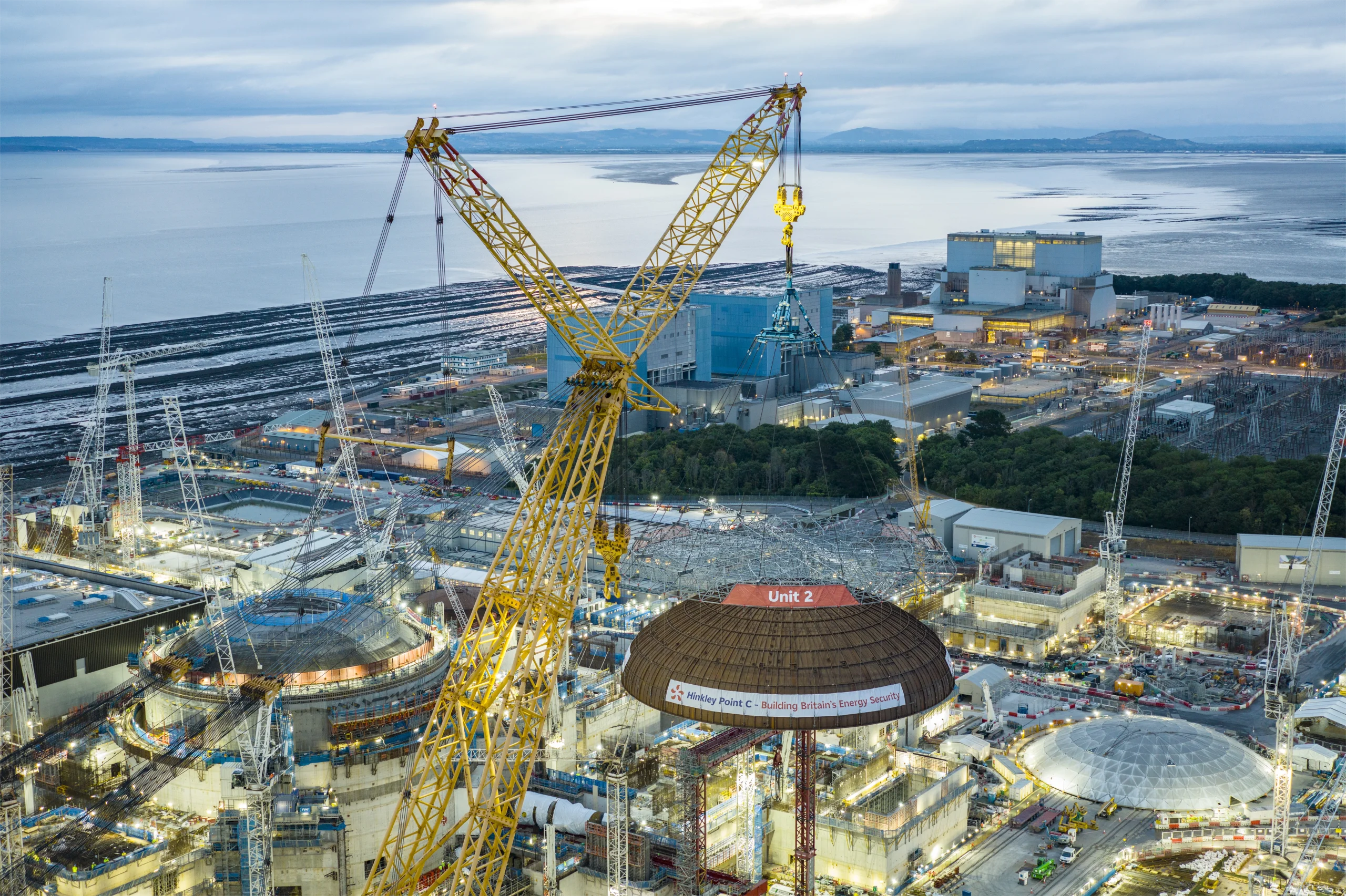
This dual strategy reflects an attempt to balance near-term capacity needs with longer-term industrial transformation. Large reactors deliver scale, with individual units typically providing between 1.6 and 3.2 GW of capacity, but they concentrate financial and programme risk at a handful of sites. Recent European experience illustrates the trade-off clearly. Projects such as Hinkley Point C, based on the EPR design, carry capital costs running into the tens of billions of pounds and construction timelines stretching over a decade from final investment decision to first power. Once operational, however, such plants provide large volumes of firm, low-carbon electricity for 60 years or more.
SMRs, by contrast, trade scale for flexibility. Individual units are typically expected to deliver 300–470 MW, with headline capital costs projected in the £1.5bn–£2.5bn range per unit once serial production is established. Construction periods are modelled at three to four years, supported by factory-built components and standardised designs. Yet these advantages are contingent on volume. Without a sustained pipeline of identical units deployed across multiple sites, costs are unlikely to fall to competitive levels.
For policymakers and contractors alike, the challenge is coherence. Pursuing too many designs risks diluting learning and stretching nuclear-grade supply chains; focusing too narrowly risks technological lock-in. The decision to back a limited number of reactor platforms, while explicitly tying SMR development to domestic manufacturing capacity, reflects an awareness that nuclear delivery is as much about construction systems as it is about reactor technology.
Financing patience in an impatient world
Nuclear power’s economic problem has never been its operating costs, which are relatively low and stable, but its project financing. Long construction periods, high upfront capital requirements and political risk have historically driven up the cost of capital, making nuclear appear uncompetitive when compared on headline price alone.
The UK’s response has been to rethink how nuclear is paid for. The most significant shift has been the introduction of the Regulated Asset Base (RAB) model, allowing developers to recover approved construction costs from consumers during the build phase under independent regulatory oversight. By reducing risk for investors and lowering the cost of capital, the RAB approach is intended to make large nuclear projects financeable at a scale that market-only mechanisms have struggled to achieve.
Contracts for Difference continue to play a complementary role once assets are operational, providing long-term revenue certainty and shielding consumers from wholesale market volatility. Together, these mechanisms reflect a deliberate effort to treat nuclear as strategic infrastructure rather than speculative energy investment.
Chris Hayward, policy chairman of the City of London Corporation, has argued that nuclear aligns well with institutional capital if structured correctly. “Pension funds and insurers are looking for exactly this kind of asset — long-dated, inflation-linked and tied to real economic activity. The key is managing construction risk so it doesn’t overwhelm the investment case.”
Sources at Legal & General Capital, which has expressed interest in UK energy infrastructure, echo this sentiment. “We’re not chasing speculative upside. What we want is certainty over decades. If governance is strong, nuclear can deliver that in a way few other assets can.”
That certainty, however, depends on discipline. Cost overruns and delays remain a central concern for both government and investors. Critics argue that RAB exposes consumers to construction risk and weakens incentives for cost control; supporters counter that the alternative is continued exposure to volatile fossil fuel markets and underinvestment in domestic capacity. For the construction sector, the implication is clear: performance, transparency and accountability are now inseparable from access to long-term capital.
Construction firms rediscover nuclear
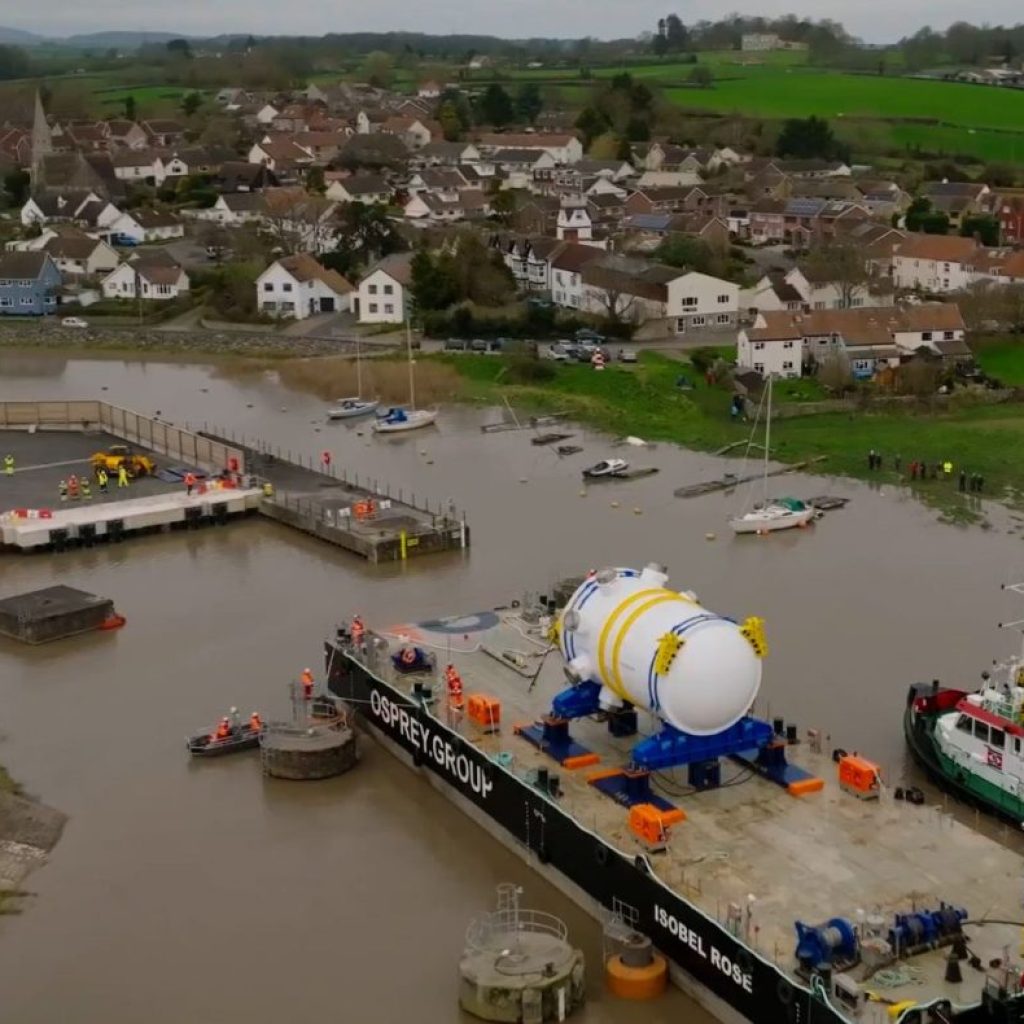
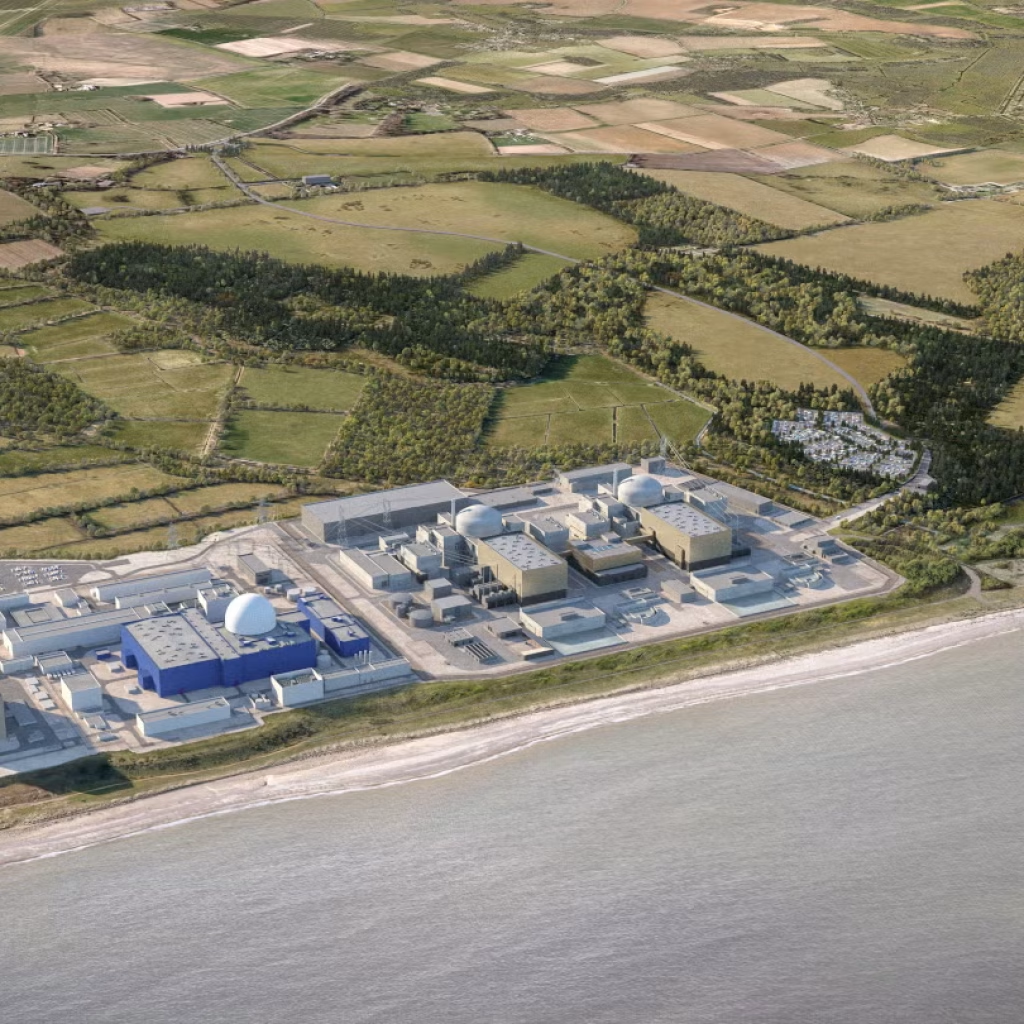
For UK construction, nuclear represents both opportunity and reckoning. Delivering nuclear projects at scale requires capabilities that many firms have not exercised consistently since the late twentieth century. At the same time, the longevity of nuclear programmes offers a degree of continuity rarely seen in modern construction.
Mark Reynolds, executive chair of Mace and co-chair of the Construction Leadership Council, has argued that nuclear can act as a catalyst for higher standards across the industry. “Nuclear forces you to plan better, collaborate earlier and think long-term. Those disciplines don’t stay confined to one sector — they lift performance across the board.”
Executives involved in current projects have emphasised how different nuclear delivery is from conventional commercial construction. Balfour Beatty has stated that “the emphasis on quality, traceability and programme certainty fundamentally changes how you organise teams and supply chains. It’s demanding, but it creates a much more resilient way of working.”
These demands cascade through the supply chain. Nuclear-grade fabrication, high-integrity welding and precision assembly require investment that only makes sense if firms believe work will continue beyond a single project.
Paul Foster, chief executive of the Energy & Utilities Alliance, has been blunt about the stakes. “Our members are willing to invest in skills, equipment and accreditation — but only if they can see a future pipeline. Nuclear works best when it’s treated as a programme, not a one-off.”
Construction as industrial policy
If finance determines whether nuclear projects proceed, construction determines whether they succeed. Nuclear construction is unforgiving. Tolerances are tight, quality assurance requirements are exacting, and errors compound rapidly. Successful delivery depends less on heroic project management than on mature supply chains, repeatable processes and a workforce trained to nuclear standards.
The experience of Hinkley Point C illustrates the point. Early delays were driven not by funding shortfalls, but by the difficulty of establishing nuclear-grade manufacturing capability across a fragmented supply chain, training thousands of workers to meet nuclear assurance requirements and embedding first-of-a-kind construction methods at scale. Once production of major components — including rebar assemblies and concrete pours — was standardised and moved into controlled, factory-style environments, productivity and quality improved markedly.
The lesson is clear. Nuclear projects succeed not when risks are managed on site, but when they are designed out through industrialised construction, disciplined processes and a skilled workforce capable of delivering to nuclear standards repeatedly rather than exceptionally.
Decades of underinvestment have eroded domestic capacity in heavy engineering and high-integrity fabrication. Current projects are beginning to reverse that trend. Hinkley Point C has required the training and certification of thousands of workers to nuclear standards, including specialist welders, steel fixers and concrete technicians. New welding schools and training centres have been established in the South West to meet project demand.
Similarly, early work on Sizewell C has focused on supplier readiness and the deliberate retention of experience developed at Hinkley, rather than dispersing skills at the end of a single project. Together, these schemes demonstrate that nuclear capability can be rebuilt — but only if continuity of work is sufficient to justify long-term investment.
As main contractor Kier cautioned, “The opportunity is clear, but contractors need confidence that nuclear programmes will be sustained beyond individual political cycles.”
The regional dividend
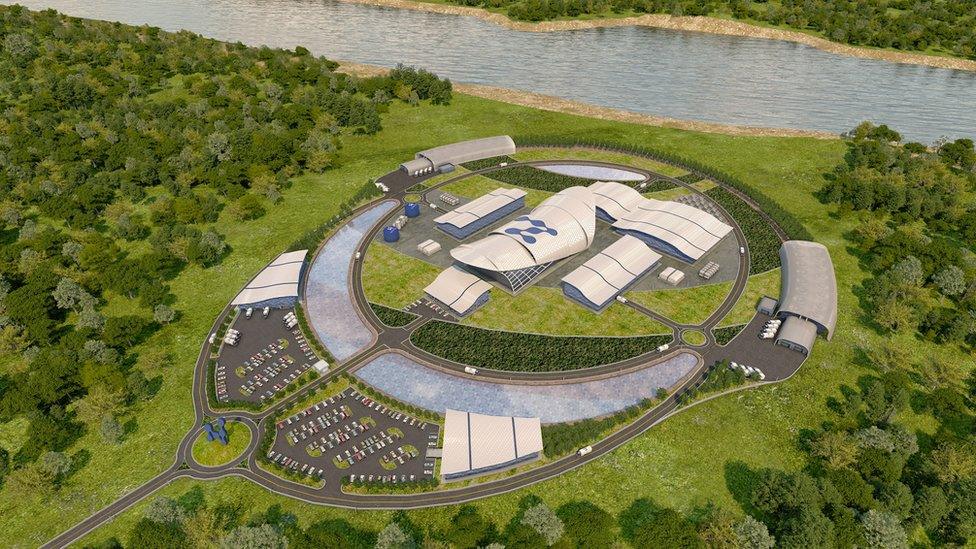
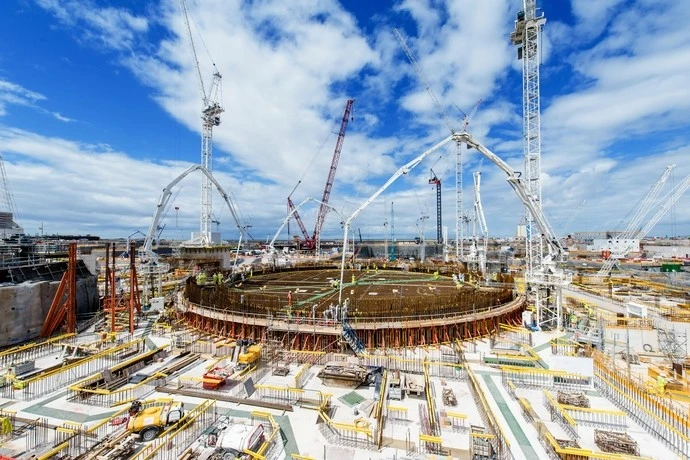
The political appeal of nuclear investment lies as much in geography as in gigawatts. Large reactors are typically located in coastal or semi-rural areas that have seen limited inward investment. Construction brings thousands of jobs, while long-term operation provides stable employment for decades. Local businesses benefit from supply contracts, accommodation demand and infrastructure upgrades.
Yet the true regional dividend depends on depth, not scale alone. Temporary construction work, however well paid, does not in itself constitute regeneration. The objective is to embed skills, suppliers and industrial capability that remain long after the cranes have gone.
Government departments are increasingly aligning nuclear delivery with workforce planning and supplier development. The National Nuclear Strategic Plan for Skills aims to close a projected shortfall of around 40,000 workers by 2030, supported by regional skills hubs, apprenticeships and employer-led training. Programmes such as the Nuclear AMRC’s Fit For Nuclear initiative are enabling UK firms to qualify for nuclear-grade contracts and move up the value chain.
Modular reactor programmes offer particular promise for regions that lost heavy industry in the late twentieth century. Factory-based production shifts value creation away from remote sites and into industrial hubs, where skills can be accumulated and retained. As Costain has stated, “Nuclear represents one of the most significant long-term infrastructure opportunities for the UK construction sector.”
Risks, trade-offs and execution
Re-nuclearisation is not without hazards. Large projects can still overrun. Public tolerance for cost escalation is limited, particularly where consumers are asked to share risk. Safety and waste management remain politically sensitive, even where technical solutions are well established.
Ultimately, the success of Britain’s nuclear revival will hinge on execution — from planning and procurement through construction and on to operation. As a senior official at the Department for Energy Security and Net Zero put it privately, “We’ve crossed the point of debating whether nuclear matters. The question now is whether we can deliver it consistently, affordably and at scale.”
Britain’s re-nuclearisation is therefore best understood not simply as energy policy, but as a test of the country’s capacity to build complex infrastructure well. If successful, nuclear construction could reshape regional economies, rebuild industrial skills and anchor a resilient low-carbon power system. If it fails, it will reinforce scepticism about the state’s ability to manage complex projects and weaken confidence in future infrastructure investment.
The stakes are high. But so too is the potential reward. Nuclear power, once written off as a relic, is being recast as a foundation for a more resilient, industrially grounded Britain — dependent not on rhetoric, but on concrete, steel, contracts and the quiet accumulation of competence that ultimately decides whether national ambition endures.