

The Health and Safety Executive is planning a major overhaul of workplace incident reporting, with sweeping changes proposed to how site risks, plant incidents and occupational diseases are recorded and submitted.
The review of the Reporting of Injuries, Diseases and Dangerous Occurrences Regulations 2013 signals a step-change for contractors, who could face a significant expansion in what must be logged with the regulator.
At the core of the proposed reforms is a substantial tightening of dangerous occurrence rules, with a clear focus on construction activity. Tunnelling works are set to be firmly brought into scope, with incidents relating to tunnels exceeding 1.2m in diameter becoming reportable.
Rules governing falling objects are also expected to widen beyond lifting operations, capturing any unintentional drop from structures under construction or demolition that could cause death—significantly increasing reporting across routine site activities.
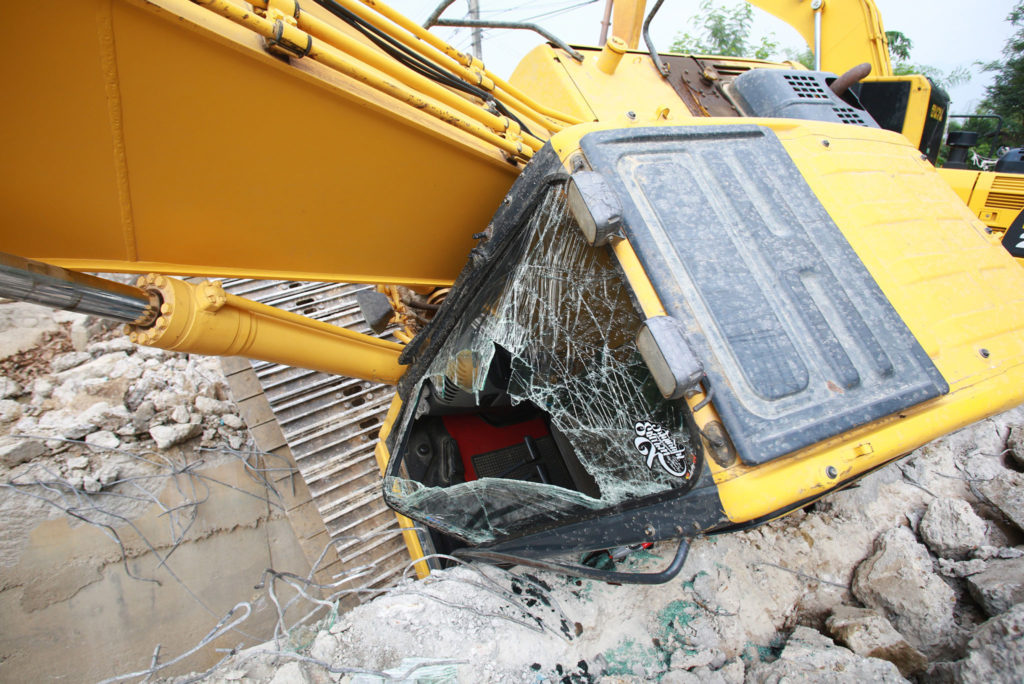
Plant safety represents another major shift. The regulator is proposing mandatory dangerous occurrence reporting for overturning incidents involving excavators, mobile plant, drill rigs and piling rigs, as scrutiny of site risk intensifies.
Structural failures are also under closer examination, with collapses involving roofs, ceilings, temporary works and trenches all likely to trigger reporting requirements, tightening expectations around temporary works control and ground risk management.
Alongside incident reporting, contractors are set to face broader occupational health obligations. The HSE is proposing to expand the current list of six reportable diseases by reintroducing nine conditions from earlier regulations, including asbestosis, silicosis, decompression illness linked to tunnelling and diving, and significant hearing loss.
In parallel with the legal changes, the regulator is also targeting the reporting process itself, with plans to streamline the online system to address both under-reporting and over-reporting—an ongoing challenge across busy construction sites.
Rachael Radway, deputy director of regulation at HSE, said: “RIDDOR reporting is central to how we identify emerging risk, target regulatory activity and contribute to the evidence base for workplace health and safety.
“This consultation allows those who will be affected by the changes to have their say as we look to improve standards and reduce the burden on business.”
The consultation is open until 30 June.