

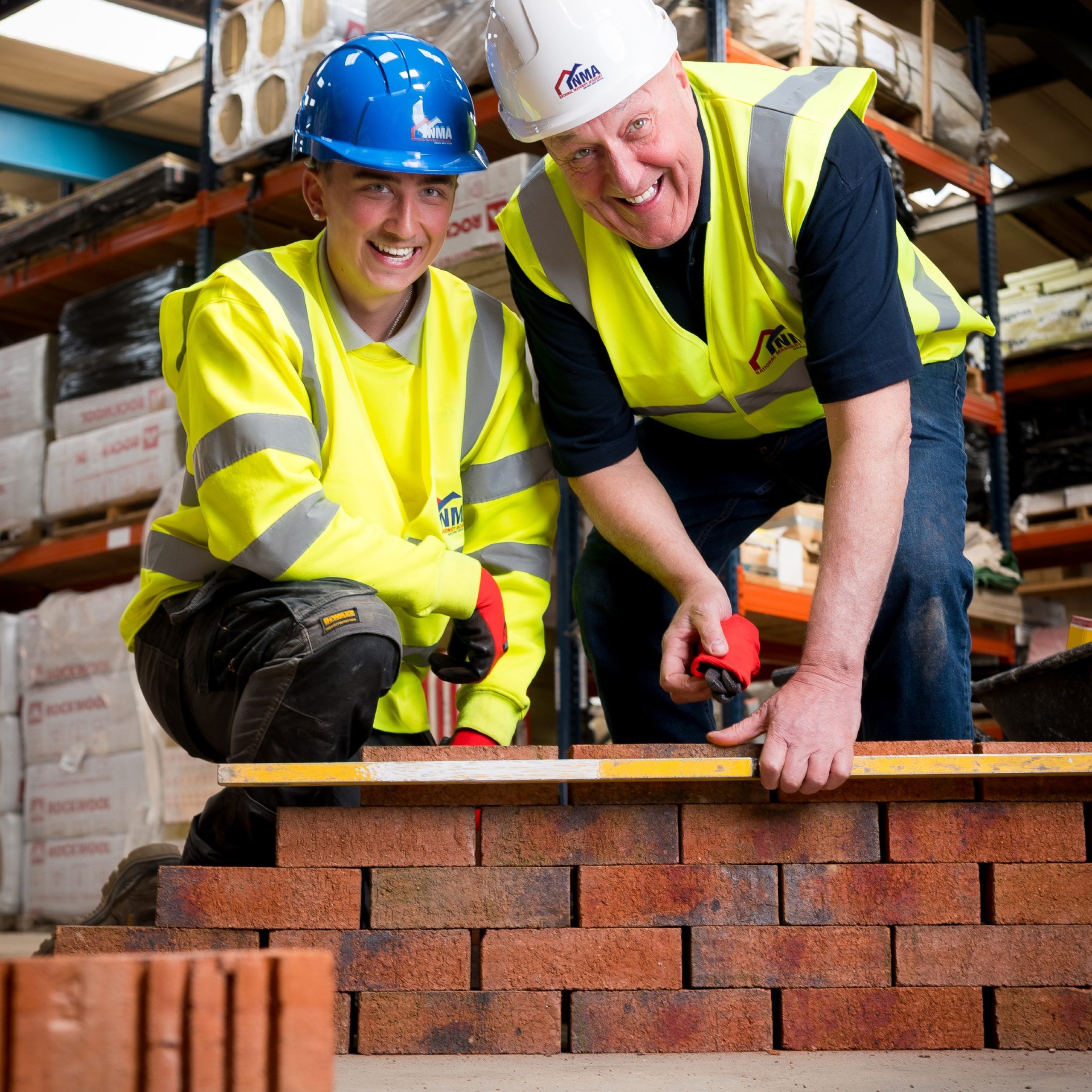
The Masonry Association of Great Britain (MAGB) has welcomed the Prime Minister’s commitment to give 14-year-olds early access to technical education, calling it a long-overdue step towards genuine parity between the academic and technical routes – but warning that the plan will only succeed if traditional construction trades such as bricklaying and stonemasonry are treated as prestigious career paths from the outset.
Under reforms announced by Prime Minister Andy Burnham, students in England will, from age 14 (Year 10), be able to combine core academic subjects – English, maths and science – with high-quality technical education linked to the industries growing in their local area. Pupils will gain real work experience and direct connections with local employers, with construction named by the Prime Minister as one of the routes on offer. Regional mayors, colleges and employers will shape the new pathways, Ofsted will change how it inspects and measures schools to recognise technical education, and the government aims to begin rolling the routes out from September 2028.
The announcement follows Alan Milburn’s warning that Britain risks a “lost generation”, with more than one million 16 to 24-year-olds now not in education, employment or training. For the masonry sector, which has long argued that its trades are undervalued despite acute demand for skilled workers, the reforms are a welcome and long-overdue recognition of the value of technical skills.
MAGB is already laying the groundwork. It has formed a partnership with Lady Manners School in Derbyshire, which offers a GCSE in construction, and is developing plans to bring masonry directly into the classroom – giving students first-hand experience of the trade, employer engagement and exposure to modern methods of construction. It is an early example of exactly the kind of school-industry link the government now wants to see nationwide.
It is tackling the shortfall from other directions too. Through its National Masonry Academy and its Military to Masonry programme – which takes Armed Forces service leavers to site-ready bricklayers in as little as ten days, with guaranteed work on completion – the Association has already shown that well-designed pathways can turn motivated people into skilled tradespeople quickly.
Eve Livett, CEO of The Masonry Association of Great Britain, said: “This is the moment technical education stops being the ‘other’ option. For years we have argued that a young person who can lay a wall to line deserves the same respect as one heading to university, and seeing that principle built into the school system from the age of 14 is a real turning point – bricklaying and stonemasonry are demanding, skilled professions, and finally the education system is being set up to treat them that way.
There is nothing like putting a trowel in a young person’s hand and letting them meet the people who do this for a living. When they can try the work for themselves, interest quickly turns into ambition. That is the opportunity in front of us, and we want to help the government make the most of it.”
MAGB welcomes the plan to link the new pathways to local industries and to change how Ofsted inspects and measures schools, but cautioned that the ambition will only be realised if it is properly backed. It is calling for clear incentives for schools, the capacity and resources to deliver, and formal industry partnerships, and asked for the construction sector to be given a seat at the table as regional mayors and colleges design the pathways. MAGB plans to seek early engagement with the Department for Education and regional Strategic Authorities to ensure masonry and the wider trades are well represented in local growth plans.
Eve continues: “An announcement is only the start; what matters now is delivery. Schools cannot do this alone, and they should not be expected to – they will need real support from employers, training providers and industry bodies to make technical education from 14 a success. The Masonry Association of Great Britain stands ready to play its part, and we would encourage the government to work hand in hand with our industry from the outset. The government wants to build 1.5 million new homes this Parliament, and you cannot lay a single brick of them without bricklayers. Get this right, and we will give a generation of young people a proud, skilled career and Britain the workforce it needs to build the homes and infrastructure it has promised.”