
TECHNOLOGY underpins almost every aspect of the business and to support its continued growth, Castle Green Homes has grown its IT department from a single person to a six-strong team.
Headquartered in St Asaph and Preston Brook, the business has transformed from a regional builder to a major player across North Wales and the North West of England, following a management buyout backed by Bridgemere UK in 2020.
Dave Nicholls was the sole IT person, until the appointment of senior IT technician Ian Cheeseman in 2021.
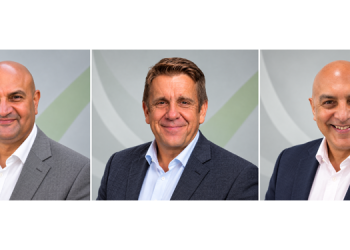
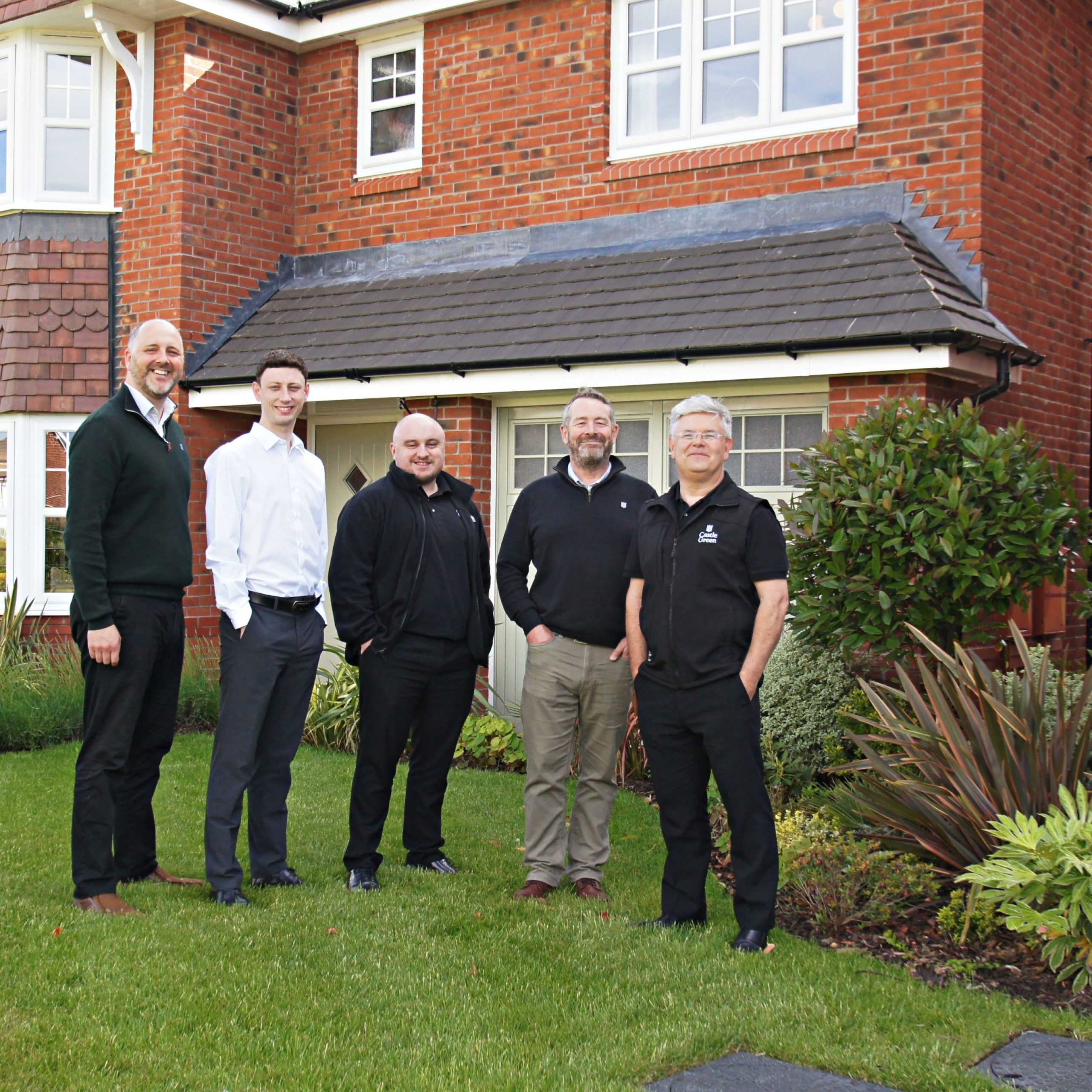
Castle Green currently builds around 600 homes a year and aims to deliver 1,000 homes a year by 2030. This growth has led to increased demands on the IT team and in the last year four more new faces have been enlisted – head of IT and systems Dave Johnson, IT manager Carlo Turri, systems developer Jack Aitken and regional IT systems and support engineer Adam Hayes.
Dave Johnson said: “Technology now underpins almost every part of the organisation, from site and sales operations through to finance and reporting. Bringing people into the team is about keeping pace with business growth, ensuring core systems remain stable and reliable, with the capacity to move things forward by improving processes, introducing new systems, or strengthening security. The role of IT isn’t just about support; it enables the business to operate more efficiently and scale in the right way. Growing the team has allowed us to be more proactive rather than just reacting to issues as they come up.”
One of the challenges the team is facing head on is adapting to meet the demands of the growing business, moving towards modern, cloud-based platforms, with standardised devices and improved remote support so people can work effectively wherever they are.
“Cyber security is important as the more the business grows, the bigger the risk becomes. Our move towards CyberEssentials has involved a layered approach – improving the technology itself but also putting a lot of emphasis on user awareness and good practice across the business,” Dave added.
Having a structured team helps balance day-to-day support with delivering long-term improvements.
AI is helping take some of the repetitive workload away including basic support tasks, monitoring, and some elements of designing and coding systems and reports, enabling the team to focus on more value-driven work.
“Across the wider business, there’s clearly a lot of potential as AI can help automate routine tasks, improve access to information, and support better decision-making,” Dave explained. “But it’s not just about enabling access to tools. A big part of our focus is helping people understand where it genuinely adds value, and making sure it’s used in a sensible, controlled, and responsible way, aligned with how the business handles data.”
A Leeds University graduate, Dave initially looked for a career in electronics before “moving sideways into IT”. After five years developing, integrating and supporting information systems in the NHS, he spent more than 25 years in construction information systems.
“I joined a major housebuilder as they embarked on writing their own software systems, initially to control payments and reduce costs. This grew, fairly organically, until the company had an entire suite of in-house systems and developed and hosted the company website and customer and sub-contractor portals,” Dave recalled.
“In the pretty substantial software development team that evolved, I had every role including analyst/programmer, development manager and systems architect.”
He believes IT is a great industry but is more than just technical skills.
“The people who tend to do well are good at solving problems and can see the bigger picture, and how what they are doing fits into it. Understanding how a business works is as important as understanding the technology itself. It’s also important to stay curious and always be prepared to learn – whether that’s new tools, new approaches, or just better ways of doing things,” Dave added.
“Communication is also important. Being able to learn from, and explain things clearly to, all colleagues across the business makes a huge difference and is vital in delivering information systems which really work for them.”
Castle Green directly employs more than 150 people. The business currently has 10 live sales outlets, plus a number of Partnerships sites, where it’s building new homes for housing associations.